Bybit Copy Trading Classic: follower evidence review
Compare leader instructions with follower allocations, failed copies, fills and account-level outcomes without assuming identical returns.
Name the particular copy product
This assessment concerns the documented Copy Trading Classic workflow, not every Bybit product or every trader listed on the exchange. Establish your region, eligibility, contract type, account currency and chosen copying mode before comparing it with a signal-room subscription. The product page is a starting point, not account permission.
A master-trader profile and a follower account answer different questions. One describes a displayed source history; the other records what the copying settings actually produced. This publication has not opened a follower account, selected a master or measured the complete experience with funds.
Copied does not mean identical
Bybit's Classic FAQ describes differences in follower entry prices and reasons a copy can fail, including balance, order-size and slippage constraints. Its follower setup guide also distinguishes stopping copying from the treatment of remaining positions. Those are product-specific documented mechanisms, not a universal claim about all copy platforms.
Read the current mode and exit choices before using them. Preserve the setting snapshot and the notice associated with each failed or skipped copy. A missing follower trade cannot be silently assigned the master's published outcome, even if the next chart movement would have made that outcome favourable.
A fictional divergence ledger
Suppose a source opens three ideas. In a made-up follower ledger, the first fills later, the second fails the account's order-size check and the third remains open. The comparison has one copied closed outcome, one failed copy and one unresolved position; it does not have three completed follower trades.
Keep source and follower identifiers side by side, then reconcile quantities, prices and charges independently. A higher displayed source win rate cannot identify the follower's missing rows. This exercise is not a description of a real Bybit trader, measured copy-failure frequency or estimated future result.
Read the allocation denominator
Write down whether a displayed amount represents current allocation, cumulative contributions, posted margin, contract notional or account equity. These quantities are not interchangeable. Record deposits, withdrawals and transfers separately from trading outcomes so an increasing balance is not automatically attributed to the strategy.
Inspect open exposure as well as closed profit. Liquidation sensitivity depends on the actual contract, margin mode, entry and leverage, not just the name of the copied trader. Do not increase capital to repair a failed-copy count without separately evaluating the new exposure and the account's constraints.
Costs and stopping rules belong in the comparison
Save the current trading-charge and profit-sharing terms for the selected arrangement, plus any applicable funding entries in the account statement. Avoid inserting a generic percentage from a different product. Check whether the performance display already includes each charge before subtracting it again.
Before following, identify what happens to positions and orders when you stop, when the master changes settings and when copying is interrupted. A reader should be able to name who owns the remaining exit decision. A source account ending a trade does not prove that every follower completed an equivalent exit.
What a defensible conclusion looks like
A defensible review could establish that particular settings and exceptions are documented while follower outcome evidence remains unmeasured. It cannot declare the platform profitable, reproduce a leaderboard return or approve a trader from a short public profile. Preserve the start date, selected master identity and strategy changes if you later gather your own records.
Use the comparison worksheet to list purchase conditions, not to calculate a popularity-based winner. Missing eligibility, unclear remaining-position treatment or an unreconciled account statement is a question to resolve before relying on the implementation, rather than a reason to manufacture a numerical rating.
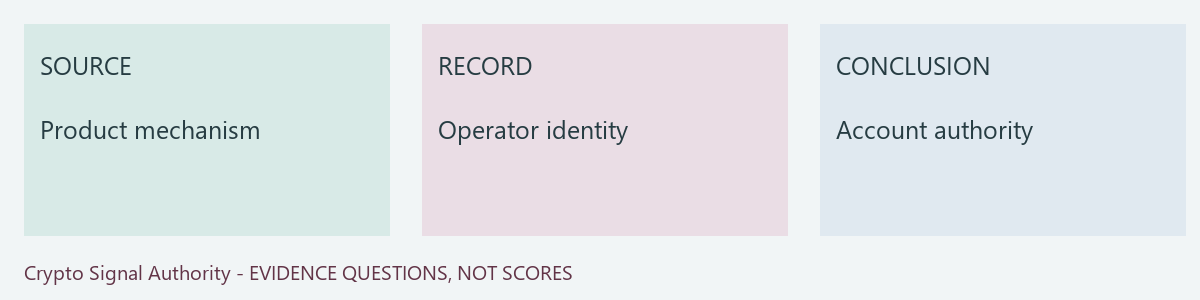
Evidence handoff
| Check | Record | Boundary |
|---|---|---|
| Copied and closed | Follower fills and account charges | Source price is not substituted |
| Failed or skipped | Notice and configured constraint | No imaginary follower profit |
| Still open | Quantity and observation time | Unrealised exposure stays visible |
 Blank evidence CSV
Column definitions: product, copy_mode, master_id, source_event_id, follower_order_id, event_time_utc, copy_state, failure_reason, source_quantity, follower_quantity, source_price, follower_fill, charges, open_exposure, setting_version.
No example trade or user record is stored in the download. Keep credentials and personal account identifiers out of shared copies.
What the new packet adds, and what it does not
Two attempted current help destinations were not retrievable in this review. The existing bounded product assessment remains, with current rule and region confirmation still required. A leader's account and copied subscriber capital retain different cash-flow boundaries. The authored population cannot serve as a tested Bybit follower sample, and no real copied fills or liquidation record is claimed. Request the exact selected offer and documented existing-position treatment before stronger execution conclusions.